
Types of Drill Bits for Wood
Explore the essential types of drill bits pdf for woodworking, featuring twist and spade designs. Twist bits offer precision and versatility for soft to hardwood, while spade bits excel at rapid, wide holes. Selecting the right bit ensures clean cuts, reduced wear, and optimal performance. Ideal for hobbyal pros worldwide.

Twist Drill Bits for Wood

Twist drill bits, the most common choice for wood, are designed with a spiral flute that efficiently removes chips while maintaining a strong cutting edge. In a types of drill bits pdf, these bits are highlighted for their versatility across softwoods, hardwoods, and engineered panels. The standard 8‑tooth design balances speed and torque, making them ideal for drilling pilot holes, countersinks, and even larger diameter holes when paired with a step drill. The tip geometry—often a 118‑degree point—ensures a clean entry and reduces the risk of splintering. For precision work, a stepped twist bit can be used to create multiple hole sizes in a single drill, saving time and reducing waste. High‑speed steel (HSS) twist bits are the default, but for harder woods or composite materials, cobalt or titanium‑coated variants provide extended life and sharper performance. Proper use involves selecting the correct bit size, maintaining a steady feed rate, and applying light to moderate pressure to avoid overheating. When used in conjunction with a drill press, twist bits deliver consistent depth and accuracy, making them indispensable for both hobbyists and professional carpenters. The types of drill bits pdf often includes charts that compare flute length, pitch, and material composition, helping users choose the right bit for each specific application. By mastering twist drill bit selection and technique, woodworkers can achieve smooth, accurate holes with minimal effort and maximum durability.
Using a drill press with a proper speed setting ensures a clean, straight hole and prolongs the life of the twist bit fully.!
Spade Drill Bits for Wood
Spade bits, also called paddle or flat bits, have a broad, flat cutting surface that removes material quickly, making them ideal for large‑diameter holes in softwoods, plywood, and particleboard. In a types of drill bits pdf, these bits are highlighted for clean, straight holes with minimal splintering when used at the proper speed and feed. The typical spade bit has a sharp, beveled tip and a single wide flute that channels chips away efficiently; For precision work, a stepped spade bit can drill multiple hole sizes in one operation, reducing setup time and tool wear. Proper technique involves keeping the drill steady, applying moderate pressure, and using a drill press for the most accurate results. They also perform well on engineered wood products. Use them for framing!
When drilling into hardwoods such as oak or maple, pre‑drilling a smaller pilot hole with a twist bit guides the spade bit and reduces splintering. Using a low‑speed setting on a variable‑speed drill prevents overheating of the cutting edge, which can lead to dullness or breakage. For very large holes, a reinforced‑core or dual‑flute design improves chip evacuation and extends tool life. The types of drill bits pdf highlights safety tips: always wear eye protection, secure the workpiece, and avoid forcing the bit beyond its rated diameter. By following these guidelines, users can maximize performance and longevity of spade bits, ensuring reliable results across a wide range of woodworking projects. For very hard hardwoods, a pre‑drilled pilot hole of 1/8 inch ensures the spade bit stays centered. This method also saves time eliminating the need for multiple drill passes!!!

Types of Drill Bits for Metal
In a types of drill bits pdf, metal bits are categorized by material and geometry. High‑speed steel (HSS) offers versatility for mild metals, while cobalt bits excel in hard alloys. Carbide‑tipped bits provide durability for steel, stainless, and titanium, ensuring life precision!!!!
High-Speed Steel (HSS) Bits for Metal
High‑speed steel (HSS) bits are a staple in a types of drill bits pdf, prized for their versatility across a wide range of ferrous and non‑ferrous materials. Their carbide‑free composition allows for rapid drilling of mild steel, aluminum, brass, and copper, while maintaining a smooth finish and minimal heat buildup. HSS bits feature a tapered, conical shape that promotes efficient chip evacuation, reducing the risk of clogging and extending tool life. In the pdf, you’ll find detailed diagrams illustrating the optimal point angle—typically 118° for soft metals and 135° for harder alloys—along with recommended spindle speeds and feed rates. The guide also highlights the importance of using a sharp point and maintaining a steady, perpendicular drilling angle to prevent deflection and ensure accurate hole placement. For advanced applications, the pdf discusses the use of HSS bits with a cobalt coating, which enhances heat resistance and extends durability when drilling through high‑strength steels or stainless steel. Additionally, the document provides a comparison table that contrasts HSS with other materials such as carbide and titanium‑tipped bits, helping users select the best tool for specific tasks. By following the best‑practice recommendations outlined in the types of drill bits pdf, machinists and hobbyists alike can achieve clean, precise holes while minimizing wear on both the bit and the workpiece.
- Point angle selection: 118° for soft metals, 135° for hard alloys.
- Spindle speed: 2000–4000 rpm for aluminum, 800–1200 rpm for steel.
- Feed rate: 0.1–0.3 mm per revolution depending on material.
- Cooling: Use cutting fluid for high‑speed drilling to prolong life.
- Maintenance: Re‑edge or replace worn bits after 50–100 holes.
Proper selection and care of HSS bits, as detailed in the pdf, ensures longevity and optimal performance across diverse metalworking projects.
This guide also recommends using a drill to reduce vibration.
Cobalt Drill Bits for Hard Metal
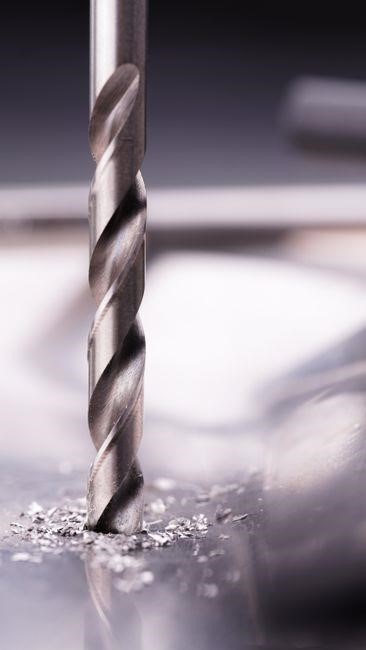
In a types of drill bits pdf, cobalt drill bits are highlighted for their exceptional hardness and heat resistance, making them ideal for drilling through tough alloys such as hardened steel, stainless steel, and cast iron. These bits contain 5–8% cobalt, which increases the alloy’s toughness and allows it to withstand temperatures above 1,200 °F without losing sharpness. The pdf outlines key performance metrics: a 118° point angle for soft metals, 135° for hard alloys, and a tapered flute design that promotes efficient chip evacuation. Recommended spindle speeds range from 400–800 rpm for steel and 200–400 rpm for stainless, with a feed rate of 0.05–0.15 mm per revolution. Cooling is essential; the guide advises using a high‑viscosity cutting fluid or air‑blast to keep the bit within safe temperature limits. Maintenance tips include re‑edge after every 30–50 holes and inspecting for flank wear before each use. The pdf also compares cobalt to high‑speed steel, noting that while cobalt offers superior longevity on hard metals, it is more expensive and should be reserved for critical applications. By following the best‑practice recommendations, users can achieve clean, precise holes while extending tool life.
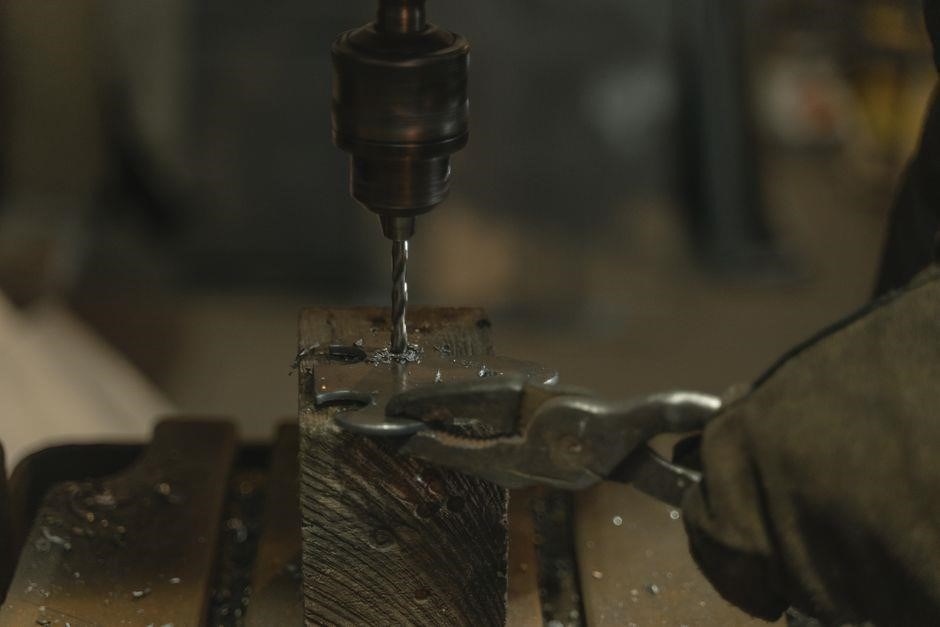
High‑cobalt bits also excel in high‑temperature environments, such as forging and machining of alloy steels, where conventional HSS bits would dull quickly. Their superior heat tolerance allows a continuous operation without the need for frequent cooling breaks, thereby improving productivity. In addition, cobalt bits maintain a sharp cutting edge longer, which translates to fewer replacements and lower overall tooling costs. For critical applications like aerospace or automotive manufacturing, the investment in cobalt drill bits pays off through reduced downtime and consistent dimensional accuracy. Cobalt bits pay daily.
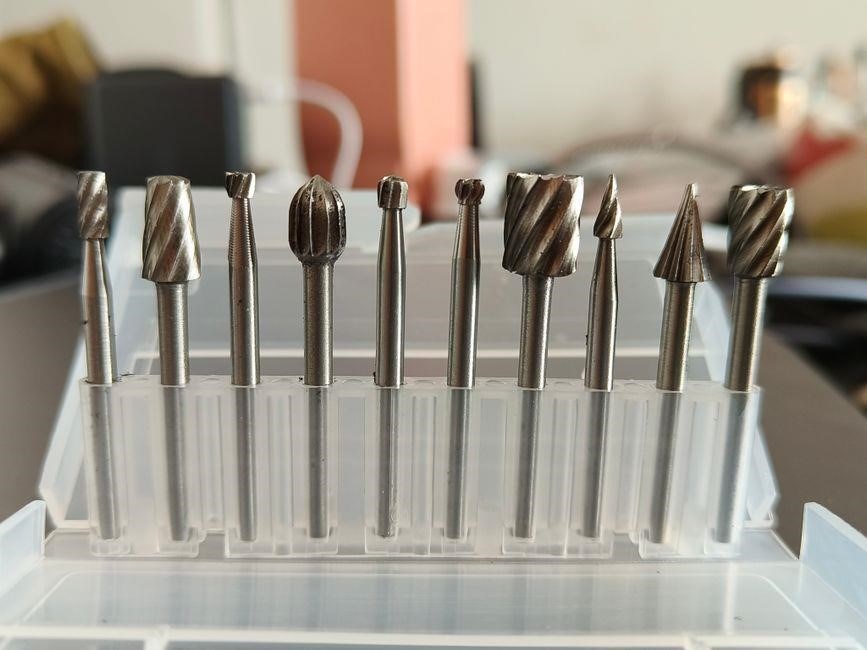
Types of Drill Bits for Masonry and Concrete
Types of drill bits pdf highlight masonry bits with carbide tips, offering durability for brick, stone, and RCC. Diamond‑coated concrete bits provide smooth cuts in hard concrete, while multi‑fluted designs improve chip removal. Proper speed and coolant reduce wear.!
Masonry Bits with Carbide Tips
Types of drill bits pdf reveal that masonry bits with carbide tips are engineered for optimal performance in brick, concrete, stone, and reinforced cement concrete (RCC). The carbide tip provides exceptional hardness, allowing the bit to withstand high cutting forces and reduce wear. These bits typically feature a tapered shank for a secure fit in the drill chuck, and a fluted body that facilitates efficient chip evacuation. When drilling, it is essential to use a slow to moderate speed setting and apply steady pressure to prevent overheating. Many manufacturers incorporate a cooling system or recommend the use of water or a drilling fluid to keep the tip cool and prolong its life. The sharp cutting edge on the carbide tip is designed to maintain a clean, straight hole, minimizing the risk of cracking or damaging the masonry surface. In addition, the tip’s geometry allows for better control, especially when drilling into dense materials like concrete blocks or stone slabs. Users often report that these bits produce fewer burrs and require less frequent replacement compared to standard high‑speed steel (HSS) masonry bits. For large‑scale construction projects, the durability and precision of carbide‑tipped bits translate into faster completion times and lower maintenance costs. When selecting a bit, consider the diameter needed for the application. Proper maintenance, such such as cleaning the tip after each use and inspecting for wear, ensures consistent performance over time!! Overall, masonry bits with carbide tips offer a dependable choice for professionals who need long‑lasting, precise holes.
Diamond-Coated Concrete Drill Bits
Types of drill bits pdf highlight that diamond‑coated concrete drill bits are the pinnacle of precision for drilling into hard, abrasive materials such as reinforced cement concrete (RCC), stone, and high‑strength masonry. The diamond coating, composed of industrial‑grade diamond particles bonded to a steel substrate, provides exceptional hardness and wear resistance, allowing the bit to maintain a sharp cutting edge even under extreme pressure. These bits typically feature a tapered shank for a secure chuck fit and a fluted body that promotes efficient chip evacuation. When drilling, it is crucial to use a low to moderate speed setting and apply steady pressure to prevent overheating. Many manufacturers recommend the use of water or a drilling fluid to keep the tip cool and to flush away debris, which extends the life of the diamond coating. The geometry of the diamond‑coated tip is engineered to cut through dense concrete with minimal vibration, producing clean, straight holes with reduced risk of cracking or damaging the surrounding material. Users often report that these bits can drill through 4‑inch thick concrete in less time than conventional carbide bits, and the reduced wear translates into lower replacement costs over a project’s lifetime. Proper maintenance—cleaning the tip after each use, inspecting for micro‑cracks, and re‑coating when necessary—ensures consistent performance. For large‑scale construction, demolition, or renovation projects, diamond‑coated concrete drill bits offer a reliable, high‑performance solution that delivers precision, durability, and efficiency. Additionally, the diamond coating’s high thermal conductivity helps dissipate heat generated during drilling, further protecting the bit’s integrity. The cost per bit is higher, but the extended lifespan often justifies the investment for professionals who require consistent performance across multiple jobs. When selecting a diamond‑coated bit, consider the grit size of the diamond particles; finer grit yields smoother holes, while coarser grit offers faster material removal. Finally, always use a drill with variable speed control and a proper chuck to accommodate the bit’s shank size, ensuring maximum safety and effectiveness. In summary, diamond‑coated concrete drill bits represent the gold standard for drilling into the toughest concrete and masonry, combining durability, precision, and long‑term cost savings for demanding construction tasks.
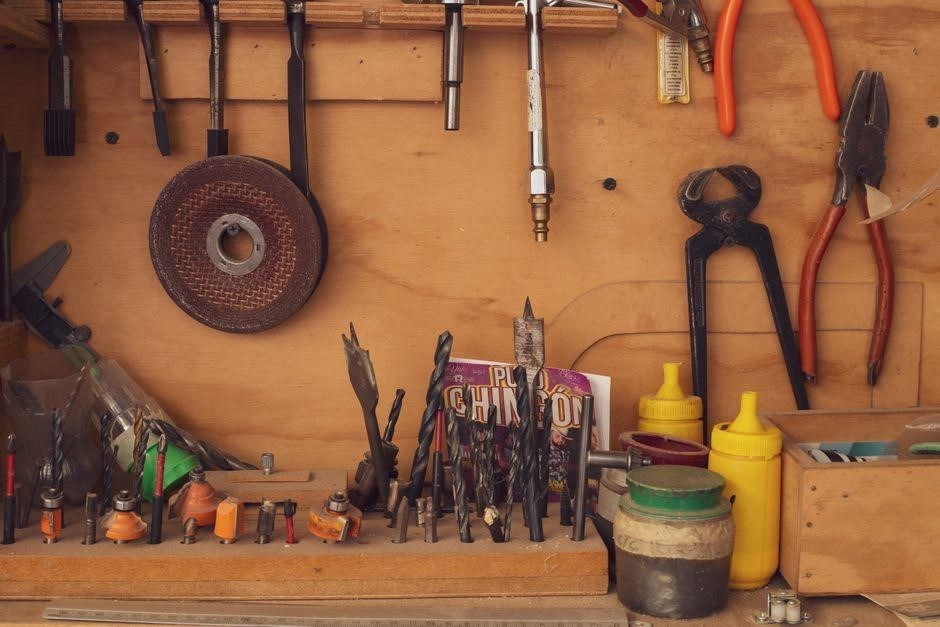
Specialty Drill Bits and Their Applications
Types of drill bits pdf cover niche tools: countersink for recessed screws, glass‑tile bits with rounded tips, reamer bits for fine‑tuned bores, and pipe bits with stepped shanks. Each design targets specific materials, ensuring precision, safety, and optimal performance across varied tasks. Precision drilling made simple.
Countersink and Countersunk Bits

Types of drill bits pdf reveal the nuanced differences between countersink and countersunk bits, two essential tools for achieving flush or recessed fastener heads. Countersink bits feature a beveled tip that creates a conical hole, allowing a screw head to sit flush with or below the material surface. They are commonly used in wood, metal, and plastic applications where a smooth finish is required. Countersunk bits, on the other hand, have a stepped design that first drills a pilot hole and then enlarges it to a precise diameter, ensuring a tight fit for countersunk screws. These bits are ideal for metalworking, automotive, and construction tasks where a secure, low-profile fastening is critical. Both types are available in various materials—high‑speed steel, cobalt, and titanium‑coated alloys—to match the hardness of the workpiece. Selecting the correct bit size and angle, typically 90° or 82°, is vital for preventing material damage and achieving accurate hole geometry. Proper lubrication, speed control, and steady pressure further enhance drilling performance and extend bit life. For advanced projects, manufacturers offer interchangeable heads and adjustable angles, allowing a single drill to perform multiple functions. Understanding the distinctions between countersink and countersunk bits, as outlined in types of drill bits pdf, empowers craftsmen to choose the right tool for each application, ensuring precision, durability, and a professional finish. This comprehensive guide, sourced from types of drill bits pdf, equips woodworkerswith knowledge to select optimal bits, ensuring efficient drilling and long tool life.
Glass and Tile Drill Bits
Types of drill bits pdf highlight specialized drill bits designed for glass and tile, where precision and safety are paramount. These bits typically feature a carbide tip or a diamond‑coated surface that can cut through hard, brittle materials without shattering. The tip geometry is usually a sharp point that initiates the hole, followed by a tapered section that enlarges the opening while maintaining a clean edge. For glass, a “diamond drill bit” or a “diamond‑coated glass bit” is preferred; the diamond surface provides a high‑friction interface that reduces heat buildup, preventing cracks. For ceramic tile, a “diamond‑coated tile bit” or a “carbide‑tipped tile bit” offers durability and a smooth finish. The drill bit’s shank is often a standard 1/4‑inch or 3/8‑inch size, allowing compatibility with most cordless or corded drills. When drilling, it is essential to use a slow speed and steady pressure, as high RPMs can cause the material to fracture. A small amount of water or a dedicated cooling fluid can be applied to keep the tip cool and to reduce dust. The types of drill bits pdf also emphasize the importance of using a pilot hole for larger diameters; a smaller “starter” bit can be used to create a clean entry point before switching to the larger tile bit. Many manufacturers provide a “glazing” bit to clean grout. By following the guidelines in types of drill bits pdf—such as selecting the correct bit size, using a low speed, and applying cooling—you can achieve accurate, clean holes in glass and tile while minimizing the risk of breakage. These bits are available in various alloys, ensuring longevity and consistent performance across projects.
Reamer Bits for Precision Drilling
Reamer bits, as detailed in the types of drill bits pdf, are engineered to refine and enlarge pre‑drilled holes with exceptional accuracy. These bits feature a tapered, multi‑fluted design that removes material efficiently while maintaining a smooth finish. The cutting edges are often made from high‑speed steel or carbide, allowing the bit to sustain high rotational speeds without overheating. In precision applications—such as aerospace, medical device manufacturing, or fine woodworking—reamer bits provide the final touch, ensuring hole diameters match exact tolerances. By using a reamer after a pilot drill, operators can eliminate burrs and achieve a uniform cross‑section. The types of drill bits pdf recommend selecting a reamer size that is slightly larger than the pilot hole to achieve the desired final diameter. For hardened materials, a carbide‑tipped reamer offers superior wear resistance. When drilling, it is crucial to maintain a steady feed rate and keep the bit cool with air or a light lubricant to prevent heat buildup. Reamer bits are available in a range of lengths and diameters, from 1/8‑inch to 1‑inch, and can be paired with a variable‑speed drill for optimal results. The precision of reamer bits makes them indispensable for tasks that demand tight tolerances, as well as creating keyways, dovetail joints, or mounting holes in composite panels. Proper selection and use of reamer bits, as outlined in the types of drill bits pdf, ensure consistent performance and extend tool life. These bits are ideal for precision tasks, offering smooth finishes and minimal vibration.—ideal!now
For Drilling Pipes and Tubing
When drilling metal or plastic pipes, the types of drill bits pdf emphasize selecting a bit that balances cutting speed with minimal heat. For stainless steel or aluminum tubing, a high‑speed steel (HSS) twist bit with a 60‑degree point angle is ideal; it cuts cleanly and resists wear. For larger holes, a drill‑and‑reamer set works best: a pilot HSS bit starts the hole, then a reamer enlarges it to the precise diameter needed for fittings. PVC or polyethylene pipes require a plastic‑drill bit with a sharp, non‑metallic tip to avoid cracking; these bits often have a stepped design that lets you drill multiple diameters in one pass. Keep the drill steady and use a low feed rate, especially when working with hard alloys like titanium or hardened steel, to reduce vibration and heat buildup. Cooling—either a light spray of cutting fluid or a continuous air blast—extends bit life and keeps the hole smooth. A drill stop or depth gauge ensures consistent depth, preventing over‑drilling that could weaken the pipe wall. For very thin walls, a pilot drill helps avoid excessive vibration. In high‑precision pipe work, a drill press or CNC rig provides the stability needed for repeatable results. By following these guidelines, professionals can achieve clean, accurate holes in a wide range of pipe materials while extending bit life and maintaining safety. In addition, using a drill‑stop collar or a magnetic base can further reduce wobble, especially when working on vertical pipes. For critical applications, consider a drill‑bit holder that locks the bit in place, ensuring the drill axis remains true. These practices help maintain precision and reduce the risk of accidental breakage! Thanks.OK
Be First to Comment